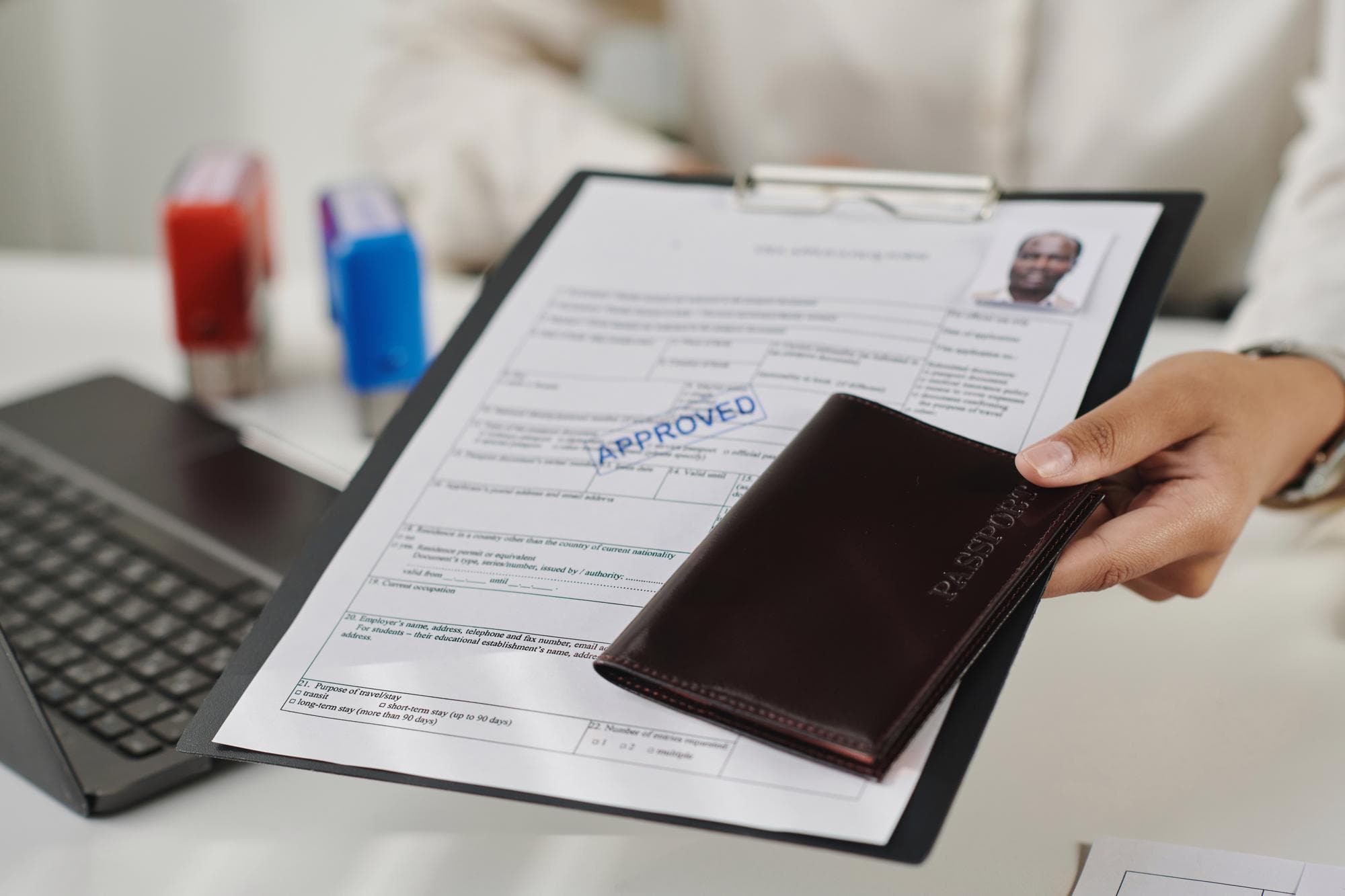
Family Reunification in Germany – Requirements, Documents, and Process
Once a healthcare professional secures a job in Germany, the next question is almost always: how do I bring my family? One of the most straightforward ways for a spouse and children to obtain a residence and work permit in Germany is through family reunification (Familiennachzug). If your husband or wife holds EU citizenship or already has a residence and work permit in Germany, you can apply for a family reunification visa.
Who Can Apply for Family Reunification
- the spouse of a person who holds a German residence permit, a Blue Card, or German/EU citizenship;
- minor children (under 18) of a parent who holds a German residence permit – children older than 16 are generally expected to have some knowledge of German or to travel together with their parents;
- the parent of a minor child who holds German citizenship;
- a registered civil partner (eingetragene Lebenspartnerschaft), under the same conditions as a spouse.
Unmarried couples without a registered partnership are generally not entitled to family reunification.
Requirements for the Person Already in Germany
- sufficient income to support the family without relying on social assistance – employed healthcare professionals almost always meet this requirement;
- adequate housing (roughly 12 m² per adult, supported by a rental agreement);
- health insurance for family members – a spouse and children can be added to the employee's statutory health insurance at no extra cost.
Spouses of Blue Card holders are not required to demonstrate German language skills. For all other spouses, an A1 certificate (Goethe, ÖSD, or telc) is required, although embassies may waive the A1 requirement for certain skilled worker permit holders – check the current rule that applies to your specific situation.
Core Documentation
- valid passport and two photocopies, plus the old passport for inspection;
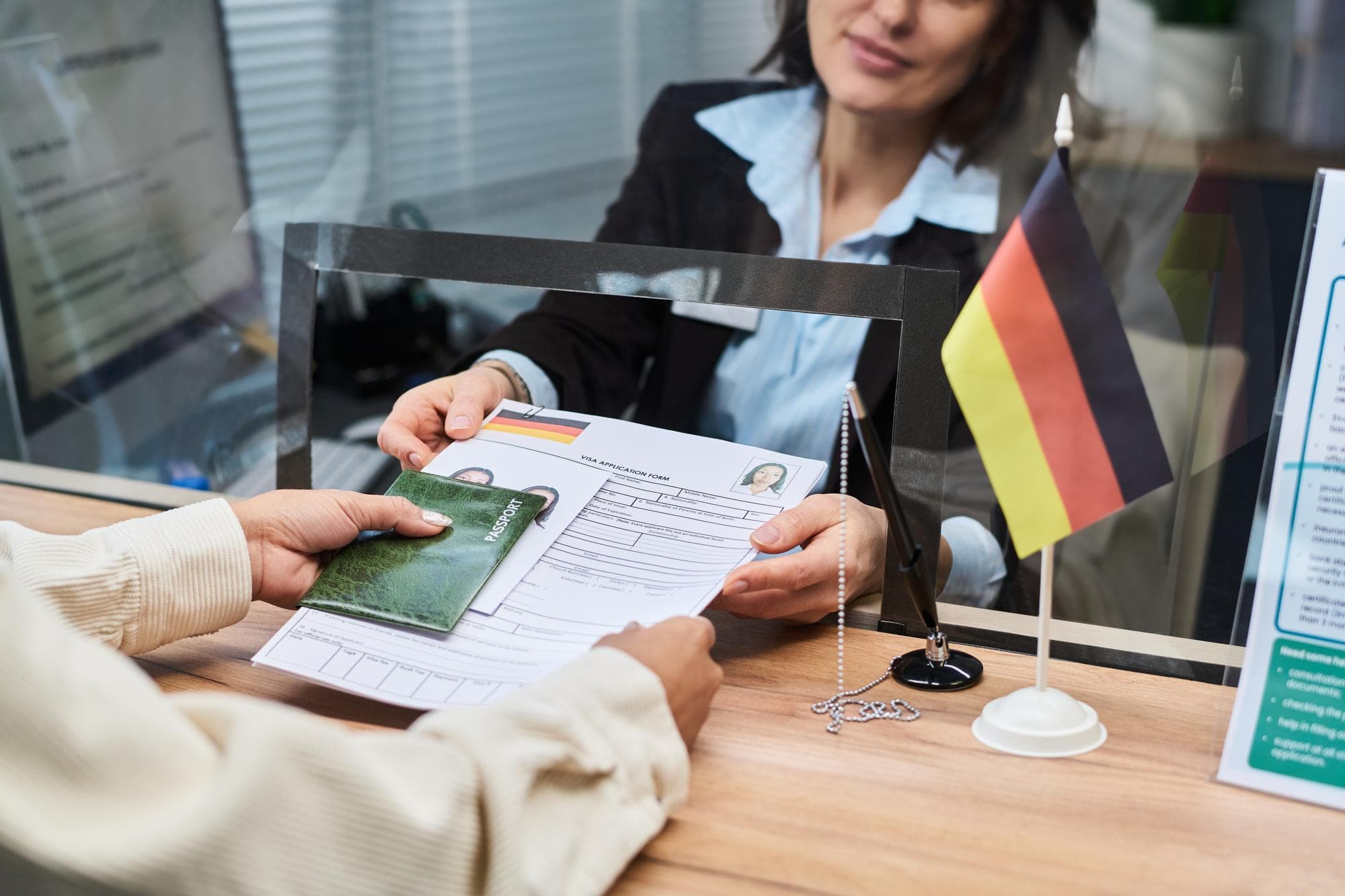
- two completed and signed national visa application forms (usually filled out online via the VIDEX portal);
- two recent biometric photographs;
- a visa processing fee of €75 (children pay half).
Additionally, in original form and with two photocopies each:
- international marriage certificate (for children: international birth certificate);
- current registration confirmation (Meldebescheinigung) of the partner in Germany, dated no more than six months ago;
- copy of the partner's residence permit and passport, or copy of the ID card or passport for German citizens;
- if applicable: divorce decrees from previous marriages with an Apostille stamp and a certified German translation;
- A1 German language certificate (if required);
- employment contract and the last three pay slips of the partner in Germany;
- rental agreement as proof that the accommodation is of sufficient size.
The embassy may request additional documents. Up-to-date information sheets listing all required documents are published by the German Embassy in Belgrade and the German Embassy in Sarajevo. Requirements and fees are subject to change, so always check the current information sheet shortly before your appointment.
How Long Does It Take
Waiting times for an embassy appointment vary by country and time of year, ranging from a few weeks to several months. Processing the application itself typically takes additional weeks, as the embassy must obtain approval from the relevant immigration authority (Ausländerbehörde) in Germany. It is advisable to book your appointment as soon as the healthcare professional receives their employment contract, and to prepare the documents in parallel.
Rights Upon Arrival
The spouse receives a residence permit tied to their partner's permit and is generally entitled to work without restrictions. Children have the right to attend kindergarten and school – you can read more in our articles Kindergartens in Germany and The German School System.
In 2024, Germany permanently extended and expanded the Western Balkans regulation, which also makes it easier for spouses without formal qualifications to find employment.
We support the candidates we place with the family reunification process as well – from documents and translations to scheduling appointments and taking the first steps after arrival. Find out what our support looks like.
Questions about visas and paperwork? Ask them live.
At our online info day we explain the whole path — language, diploma recognition, jobs, visa and relocation — and answer your questions.
Fill in the short application — we'll get back to you with a concrete plan for your situation. Apply now →